

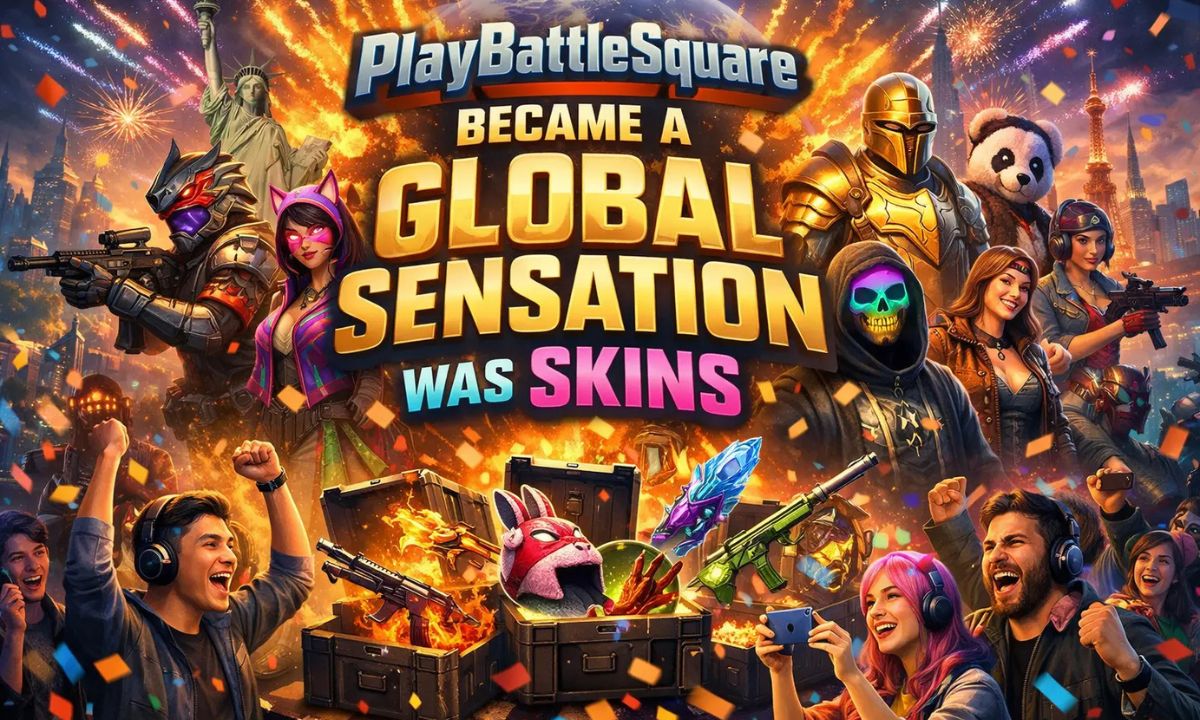
The gaming world witnessed a massive change when playbattlesquare became a global sensation as skins. Players everywhere started exploring its unique features, customizable avatars, and dynamic gameplay. Skins became more than just cosmetic choices—they represented identity, status, and creativity in the gaming community. This surge of interest not only increased user engagement but also created a thriving online culture that kept players returning daily, eager to show off their favorite skins and styles.
Imagine a game where every skin tells a story and every player becomes a trendsetter. From viral cosmetics to exclusive designs, PlayBattleSquare captured attention worldwide. Fans shared, collected, and competed, turning simple visual customization into a global phenomenon. This curious blend of artistry and competition sparked discussions across forums, making everyone wonder which skin would dominate next.
Skins in PlayBattleSquare changed gaming culture, community engagement, and player loyalty. The visual appeal, rare editions, and interactive experiences created excitement, keeping gamers connected. This innovation in digital identity made PlayBattleSquare not just a game, but a cultural movement celebrated by millions of players worldwide.
The Evolution of Skins in Modern Gaming
Skins started as simple cosmetic upgrades, giving characters new outfits or changing weapon designs. While they didn’t impact gameplay, they transformed how players felt about their avatars, making games more personal and visually exciting.
Over time, skins became symbols of achievement and creativity. Rare editions, seasonal releases, and special collaborations made customization feel like a collectible art form. Players began associating skins with pride, status, and digital identity.
Today, skins are more than decoration—they shape community conversations and trends. From casual players to competitive enthusiasts, everyone engages with cosmetic updates, turning visual appeal into a cultural phenomenon across platforms.
Why Skins Drive Player Engagement
Customization strengthens emotional bonds with the game world. When players see themselves reflected in their avatars, it enhances connection, loyalty, and daily interaction, keeping engagement consistent.
Visible uniqueness also sparks curiosity and admiration. Players enjoy standing out in competitive matches or social hubs, creating motivation to explore new designs or participate in events.
In addition, community discussions about rare or limited skins keep the conversation alive. Sharing, trading, and showcasing designs extends interest beyond gameplay, encouraging both retention and organic promotion within social circles.
Digital Identity and the Power of Self-Expression
Gamers often use skins to reflect personality, humor, creativity, or cultural influences. Every choice becomes a statement, turning avatars into extensions of real-world identity.
Through customization, players feel recognized and unique. This sense of individuality strengthens attachment to the platform, making the experience more than just winning or competing.
Skins also allow experimentation with styles, trends, and themes. By blending fashion, art, and gaming, players can create signature looks that leave a lasting impression on peers and communities.
Community Engagement and Viral Momentum
Skins naturally encourage social interaction. Players ask questions, share tips, and celebrate rare finds, building a sense of belonging and collective excitement.
When content is shared on forums, streaming platforms, or social media, interest grows rapidly. Unique or visually striking skins often spark viral trends, inspiring new users to join the community.
This momentum keeps platforms dynamic. Fans contribute through fan art, highlight reels, or themed competitions, turning cosmetic updates into cultural events that drive both engagement and retention.
Competitive Gaming and Cosmetic Prestige
In competitive spaces, appearance matters as much as skill. Unique skins allow players to stand out, signaling experience, dedication, and personal style without affecting gameplay mechanics.
Rare cosmetics often become subtle status symbols. Fans admire skilled players not only for their performance but also for their exclusive designs, creating aspirational goals for newcomers.
This combination of achievement and personalization strengthens community engagement. Players strive to improve while collecting and showcasing cosmetics, making competition visually rewarding and socially engaging.
The Economic Influence of Skins
Digital cosmetics have become major revenue drivers for gaming platforms. Players invest in skins for uniqueness, collectibility, and long-term value, fueling a sustainable in-game economy.
Limited editions, seasonal drops, and special collaborations increase demand and anticipation. Scarcity marketing encourages participation while maintaining fairness, making the cosmetic market profitable without altering gameplay.
As a result, the cosmetic ecosystem benefits both developers and players. It encourages spending, supports community interaction, and fosters creativity, turning skins into a central component of the gaming industry.
Accessibility and Global Appeal
Skins appeal to players worldwide because visual customization transcends language and skill barriers. A striking design can be admired instantly, creating universal interest.
Players from diverse regions connect over aesthetics, rare finds, or event releases. Global tournaments showcase unique designs, highlighting creativity and inclusivity across cultures.
This simplicity and visual charm make cosmetics approachable for casual and competitive players alike. Even newcomers can enjoy personalization, fostering cross-border engagement and long-term retention.
The Role of Social Media and Streaming
Streaming and social media amplify the visibility of unique designs. Clips, highlight reels, and live broadcasts showcase cosmetics, generating excitement among viewers and inspiring new players to join.
Content creators often become trendsetters, influencing the popularity of rare skins or seasonal releases. Audiences eagerly share screenshots, fan art, and reaction videos, extending the conversation beyond gameplay.
This constant circulation fuels viral momentum. Social sharing and community participation turn cosmetic updates into cultural events, boosting platform awareness, engagement, and retention simultaneously.
Limited Editions and Scarcity Marketing
The strategy behind limited editions and scarcity played a huge role in why playbattlesquare became a global sensation was skins. Rare releases and seasonal drops created excitement, turning ordinary cosmetics into must-have collectibles that players actively sought.
Scarcity marketing encourages players to act quickly. When a skin is labeled as “exclusive” or “time-limited,” it sparks urgency, anticipation, and community conversation. Fans track schedules, plan acquisitions, and share updates.
This approach also strengthens emotional investment. Owning a rare item feels rewarding, while missing a release motivates players to stay engaged. Limited editions transform simple customization into a dynamic and interactive experience.
Player Loyalty and Retention
Cosmetics play a major role in keeping players invested over time. When users build collections or show off unique designs, it creates a sense of attachment to the platform.
Regular updates, seasonal releases, and community events encourage continuous participation. Players return not only to play but also to explore, collect, and display new cosmetics.
Retention is further boosted by social recognition. Seeing friends or competitors showcase rare items inspires engagement, creating a cycle of excitement and loyalty that keeps communities vibrant and active.
Cultural Impact Beyond Gameplay
Skins influence culture far beyond the matches themselves. They inspire fan art, memes, social media trends, and online discussions, turning gaming into a form of creative expression.
Players use cosmetics to tell stories, show personality, and connect with others. Communities thrive as users debate styles, vote in polls, or collaborate on designs.
This cultural influence also attracts newcomers. Beyond competitive or casual play, people are drawn to the shared creativity and storytelling, making cosmetics central to a platform’s identity and appeal.
Balancing Fairness and Monetization
The key to successful cosmetic systems is maintaining fairness. Players respond positively when personalization does not interfere with gameplay mechanics, ensuring skill remains the primary factor in competition.
Monetization strategies, such as optional purchases, subscriptions, or bundles, provide revenue without compromising competitive integrity. Players feel supported rather than exploited, creating trust between the platform and its community.
By balancing cosmetic monetization with fair gameplay, platforms sustain both engagement and revenue. This approach ensures long-term growth and maintains a positive player experience.
Future Outlook: Where Customization Is Heading
Looking ahead, the influence of cosmetics will only grow. The way playbattlesquare became a global sensation was that skins highlighted the potential for deeper personalization, with reactive, animated, and interactive designs on the horizon.
Emerging technologies will allow skins to adapt in real-time, respond to events, and even interact across platforms. Players will have increasingly immersive ways to express identity and creativity.
This evolution suggests a future where customization is more than aesthetic—it becomes a core pillar of digital identity, social interaction, and community culture, ensuring that games remain engaging, dynamic, and globally appealing.
FAQ’s
Why did PlayBattleSquare become so popular among gamers?
The platform gained attention due to engaging gameplay, community features, and visual customization. Skins added uniqueness, encouraging creativity and social sharing among players worldwide.
How do skins enhance the gaming experience?
Cosmetic designs allow players to express identity and style, making gameplay more immersive. They also encourage participation in events and collection-focused challenges.
How did playbattlesquare became a global sensation as skins?
Rare, limited-edition skins and viral cosmetic trends boosted engagement. Players showcased designs, fueling social interaction and platform-wide recognition, sparking global popularity.
Can collecting skins improve player motivation?
Yes. Acquiring rare or visually appealing cosmetics motivates continued play, promotes achievement, and encourages social sharing, increasing overall retention and community engagement.
Are cosmetic upgrades purely aesthetic?
Primarily, yes. Skins do not alter core gameplay mechanics but provide personalization, visual distinction, and a sense of ownership that enriches the overall experience.
How do limited editions affect player behavior?
Scarcity marketing creates urgency and excitement. Players track release schedules, invest time or money, and feel rewarded when acquiring exclusive cosmetics.
Does social media influence the popularity of skins?
Absolutely. Streamers, highlights, and fan-shared content spread awareness of unique cosmetics, creating trends and attracting new players to explore the platform’s customization features.
How do skins contribute to community building?
Players discuss, share, and showcase their designs, forming social connections. Community events, polls, and collaborative creativity strengthen loyalty and encourage ongoing engagement.
How do cosmetics impact revenue for gaming platforms?
Optional purchases, seasonal drops, and limited editions generate sustainable income without affecting fairness, allowing developers to invest in updates and community-driven content.
Can customization trends influence gaming culture?
Yes. Creative skins inspire fan art, memes, and social challenges. They shape aesthetics, identity, and community interactions, extending influence far beyond gameplay alone.
Conclusion
The journey of PlayBattleSquare shows how digital cosmetics transformed gaming into a personalized and immersive experience. Skins became more than decoration—they allowed players to express creativity, identity, and status, turning virtual avatars into extensions of themselves.
Community interaction and viral sharing amplified the impact of cosmetics. From forums to streaming platforms, fans celebrated rare skins, inspired trends, and strengthened social bonds, proving that engagement is driven by both gameplay and aesthetic appeal.
Looking forward, customization will continue evolving with reactive designs, interactive skins, and cross-platform integration. The influence of cosmetics demonstrates that visual personalization is a central pillar of gaming culture, blending economics, community, and creativity into global appeal.

Lennox Vail is your go-to guide for everything celebrity and pop culture. Based in New York, he uncovers the stories behind the stars, mixing exclusive scoops with expert commentary. With an irresistible style and a pulse on what’s trending, Lennox makes sure readers never miss a beat in the entertainment world.